Budget Guide
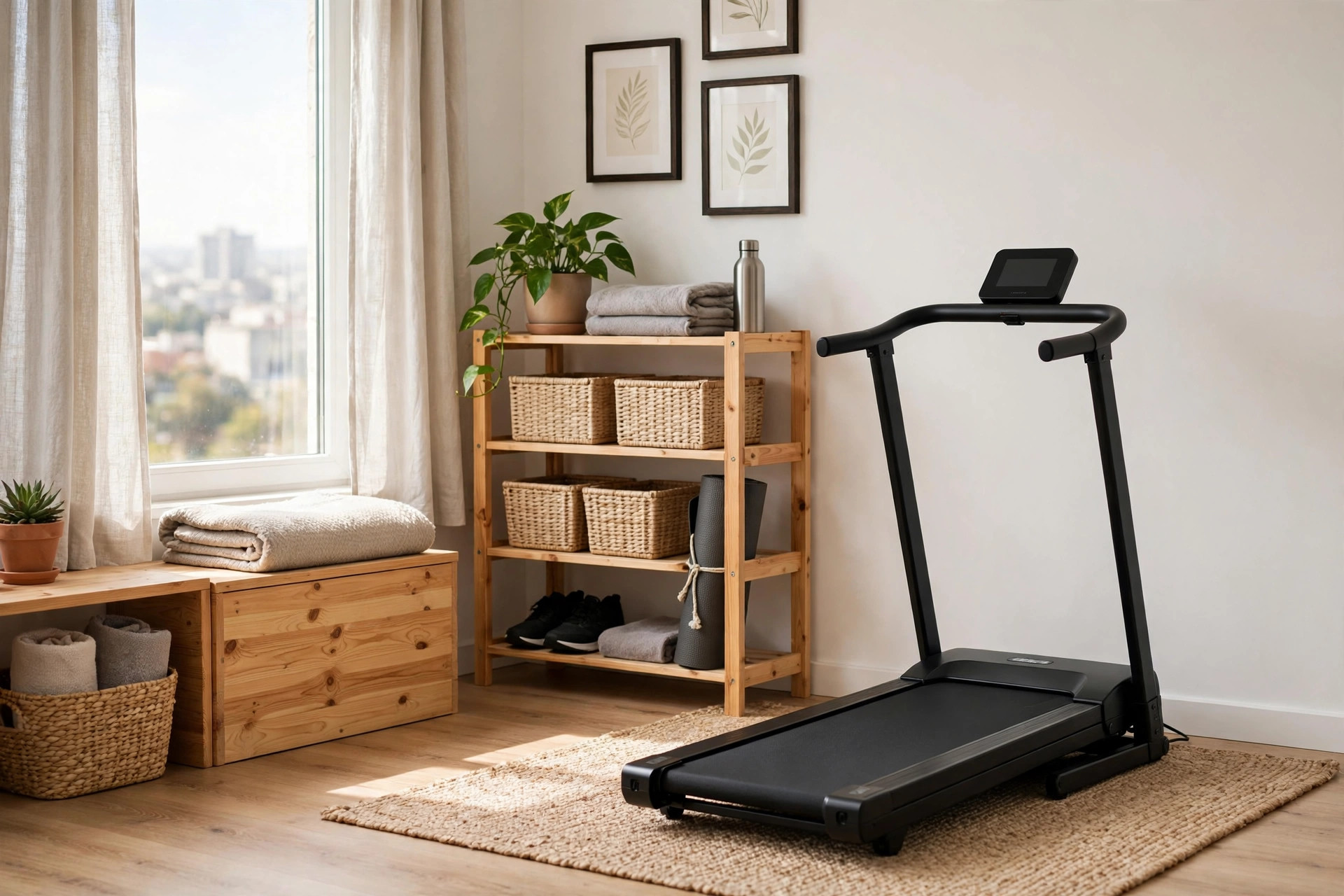
Best Quiet Treadmills Under $500 for Apartments
Quiet treadmills under $500 for apartments: six current options plus one stretch pick, with specs and noise data from official pages.
Read guideMeasured noise data, real specs, and setup guides for treadmills that won't start a war with your downstairs neighbor.
The quietest full-size treadmill with independent measured data is the Horizon 7.0 AT at 34.7 dB, followed by the Sole F80 at 35.4 dB and the NordicTrack Commercial 1750 at 36.3 dB. All three numbers come from one BarBend test: the tester stood one foot from each machine at its top speed and subtracted the room's ambient noise (35 to 38 dB) from every reading. Two caveats apply. The F80 and 1750 readings cover older model years, and both machines have been updated since. And a decibel figure from one lab cannot be compared with a figure from another lab, a reviewer, or a manufacturer spec sheet.
If you mostly walk, a walking pad is the quieter category by design. BarBend's FAQ explains why: walking pads use smaller motors, have fewer moving parts, and draw less power. Walking itself is quieter than running because each running stride strikes the deck harder, and harder impacts create more vibration, which creates more sound.
No treadmill is silent in an apartment. Review numbers are measured next to the machine. What a downstairs neighbor hears is mostly the thud of each footstep traveling through the floor structure, not the motor hum. A mat, placement, and training schedule matter as much as the model you buy. The guides below cover each of those.
Quiet treadmills under $500 for apartments: six current options plus one stretch pick, with specs and noise data from official pages.
Read guide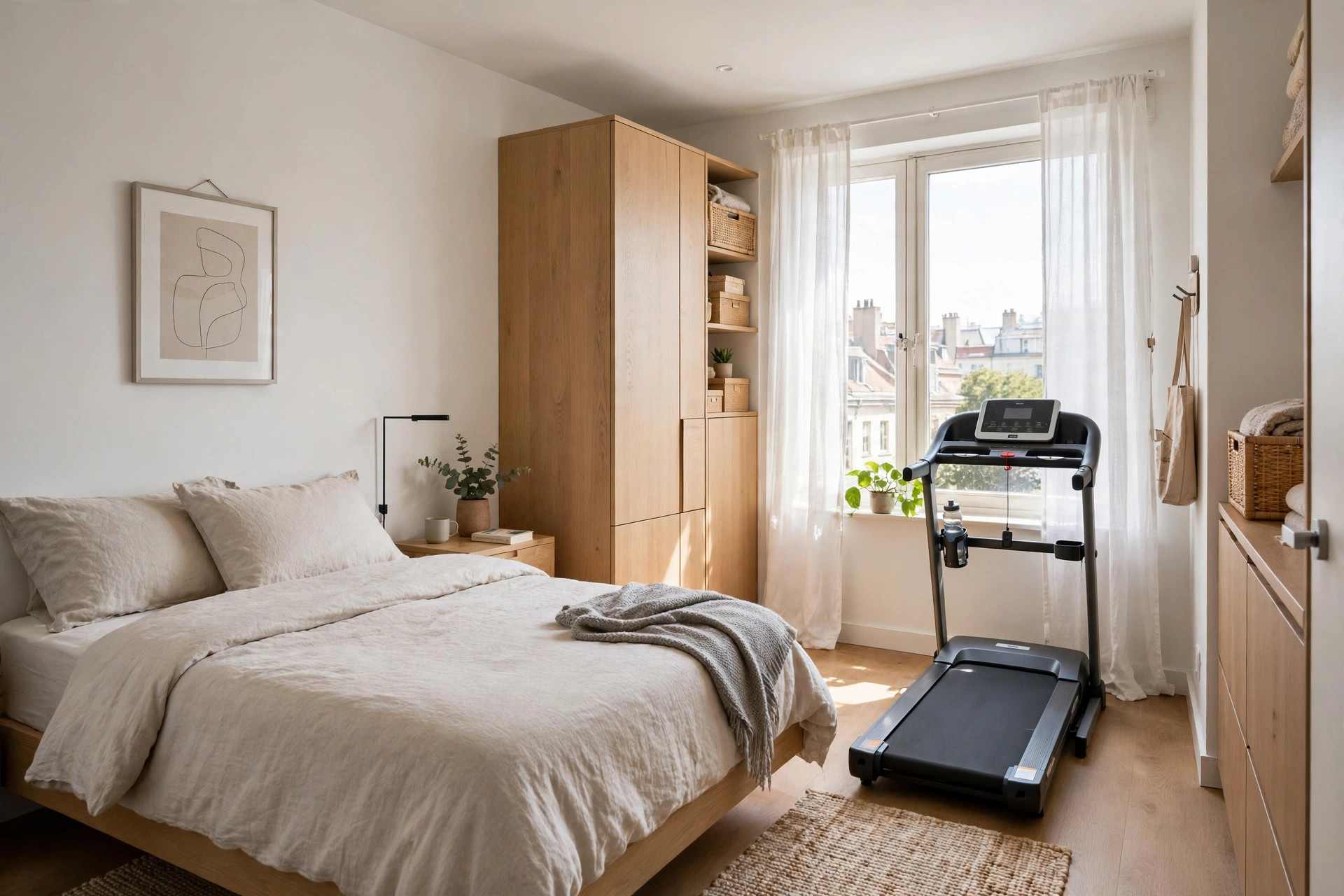
Compact treadmills for small bedrooms compared by stored size, bed clearance, noise data, and price. Specs from official product pages.
Read guide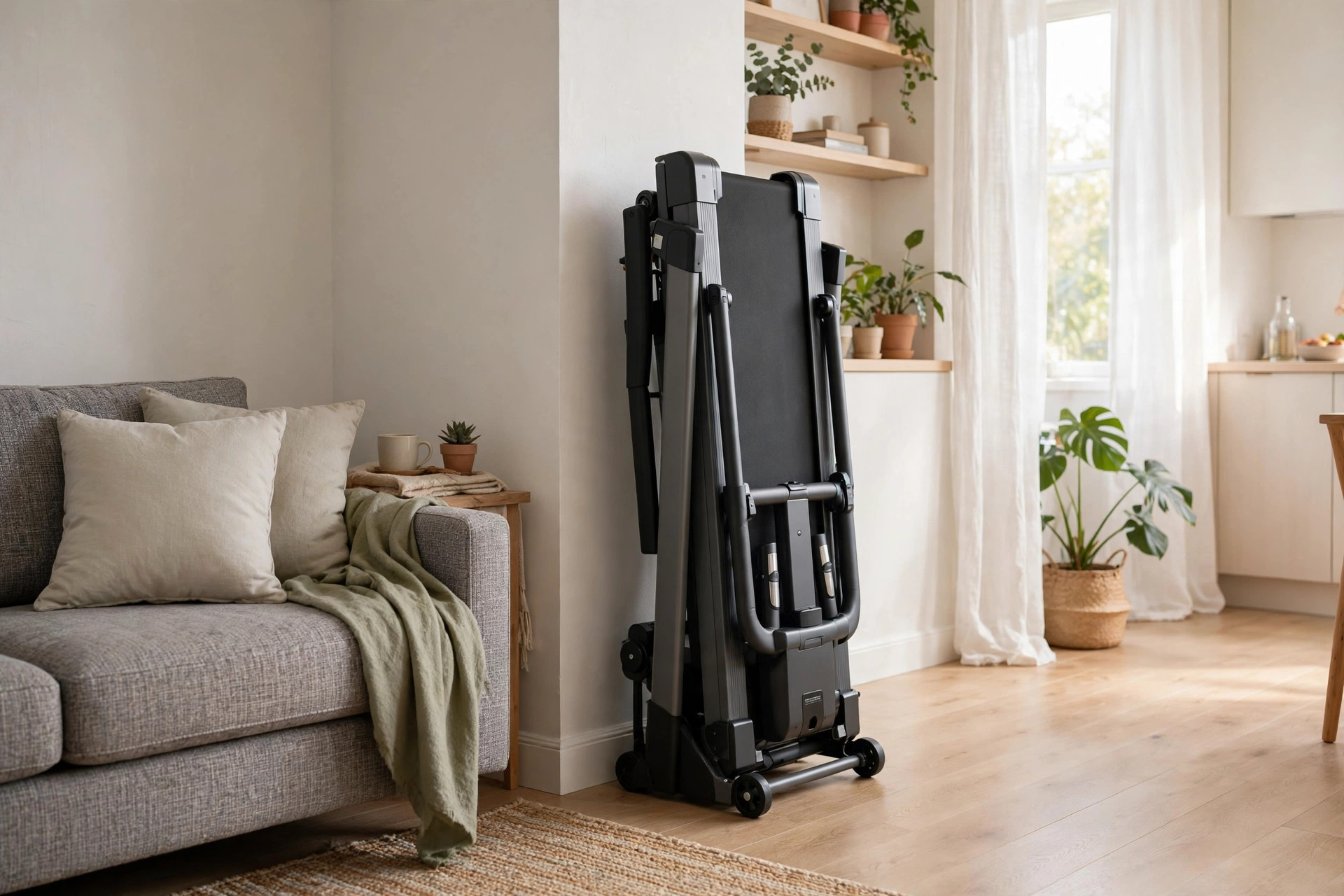
Folding treadmills for small apartments compared by folded size, weight, noise data, and price. Specs from official product pages.
Read guide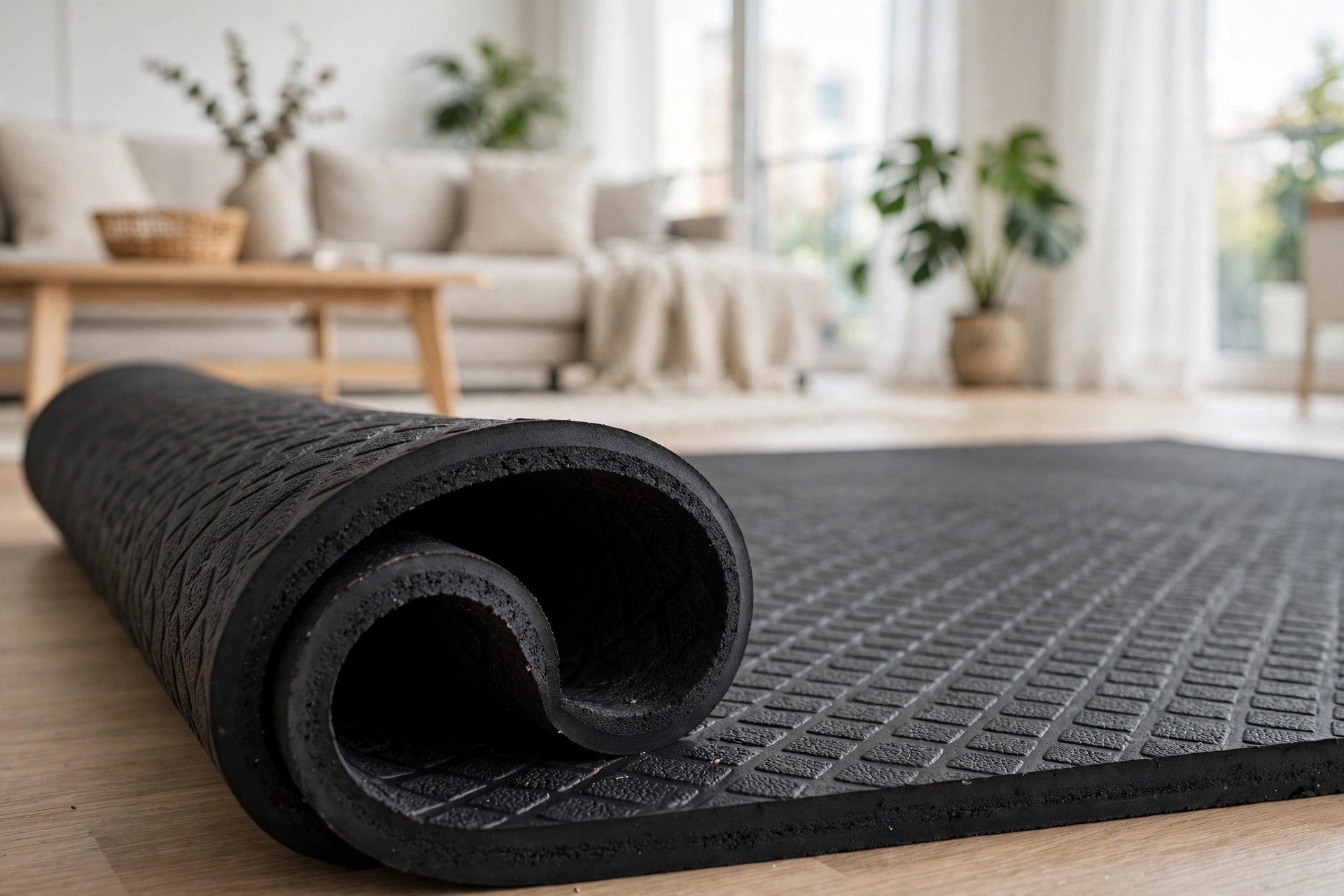
How to choose a treadmill mat for an apartment: what thickness helps, rubber vs PVC vs EVA, sizing rules, and what mats cannot do.
Read guide
Under-desk treadmill picks for home offices: desk clearance heights, noise ratings, specs, and prices from official product pages.
Read guide
Is walking or running quieter on a treadmill? Measured decibel data with test methods explained, plus what manufacturer claims mean.
Read guide
A practical playbook for apartment treadmill noise: sources, mats, placement, isolation feet, maintenance, and timing. No decibel promises.
Read guide
Treadmill belt lubrication done right: which silicone to use, brand schedules, step-by-step method, and machines that need no lube.
Read guide
How to use a treadmill in an apartment without neighbor conflict: communication, timing, noise control, and what to do about complaints.
Read guide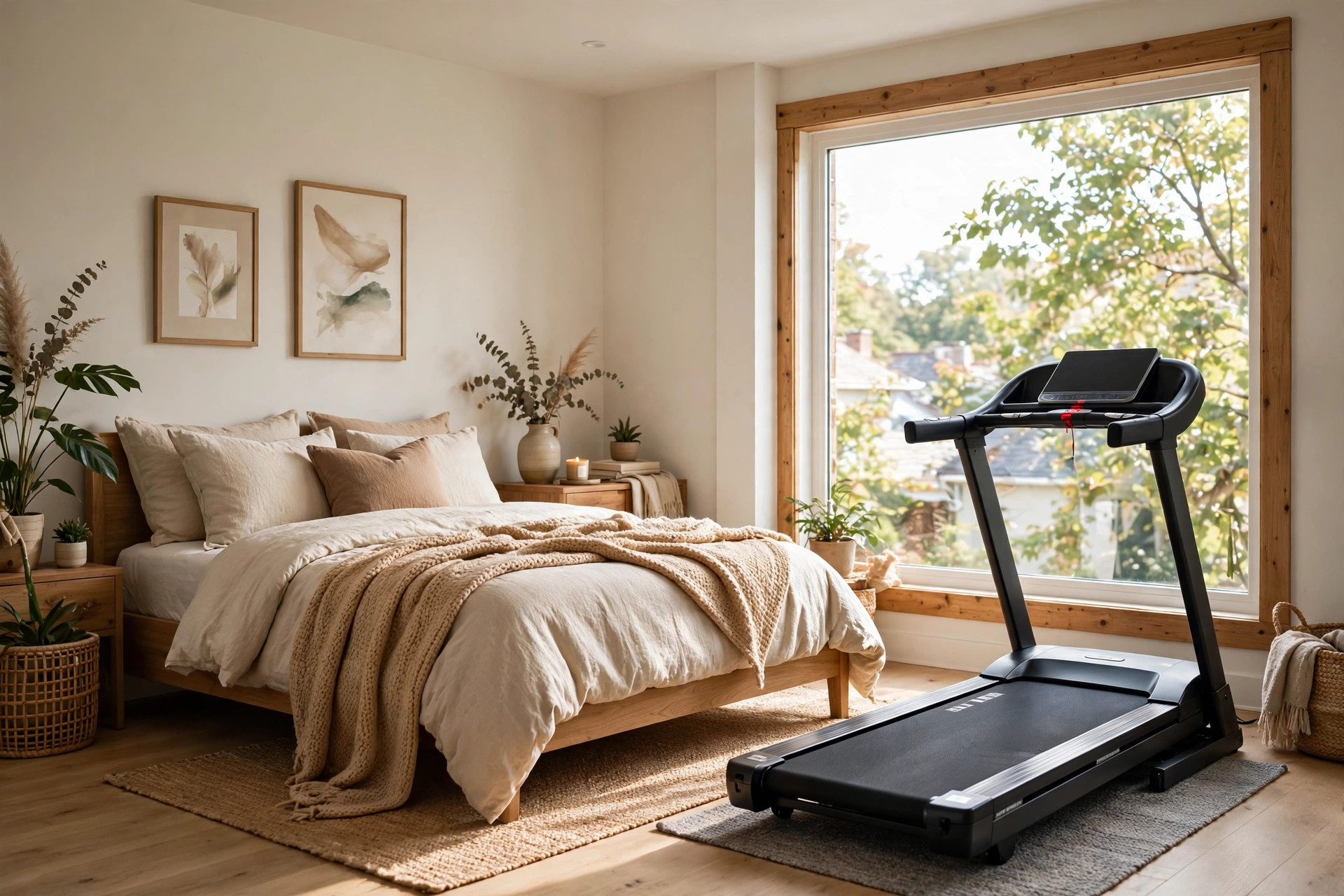
A step-by-step checklist for using a treadmill in an upstairs apartment: lease, placement, mats, timing, and neighbor communication.
Read guide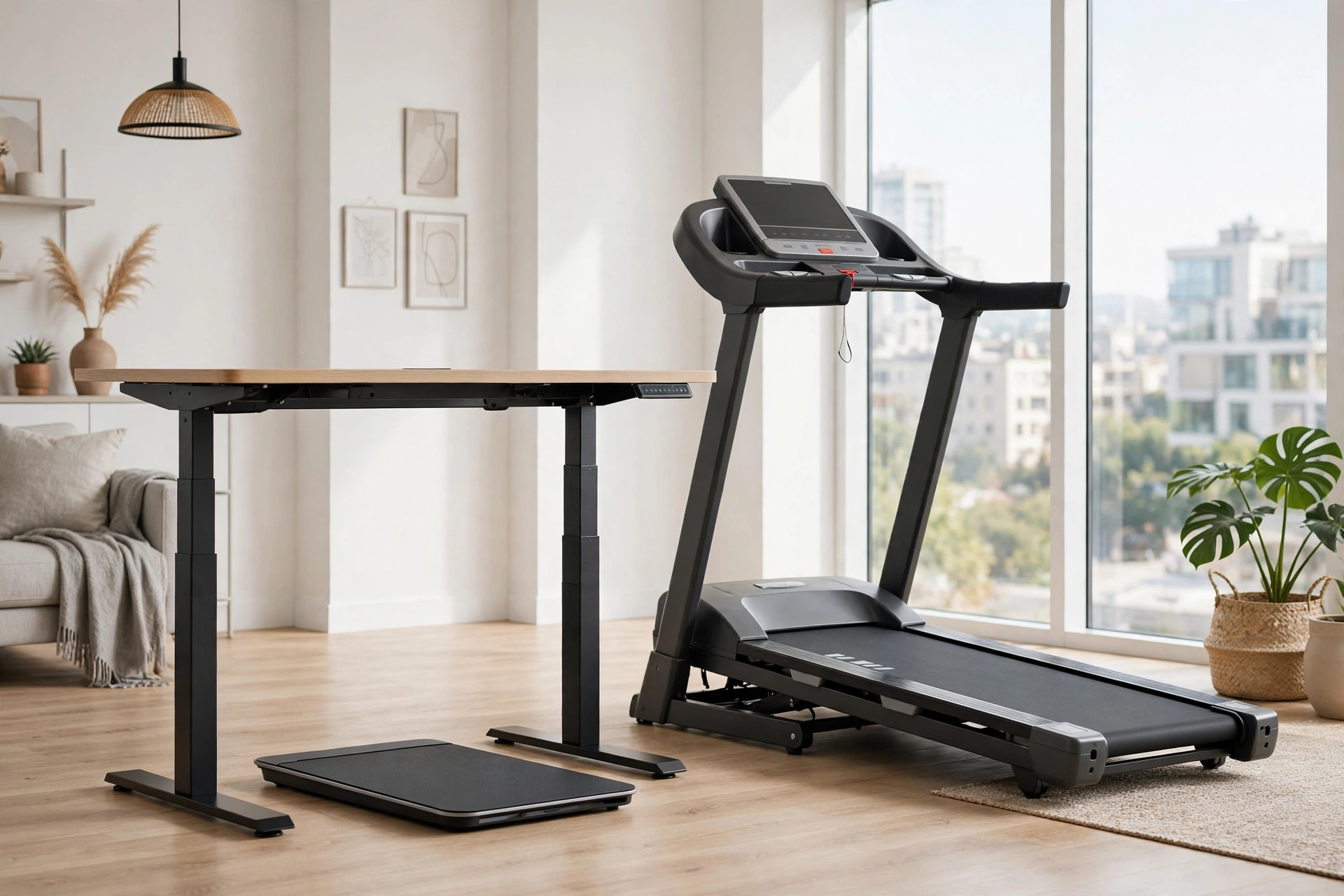
Walking pad or full treadmill for an apartment? Compare noise, size, speed, and price using sourced specs and third-party test data.
Read guideA decibel figure means nothing without its test method. The independent measurements cited on this site were taken three different ways:
Manufacturers publish their own numbers under their own conditions. UREVO lists about 35 dB for the CyberPad for Office under specified test conditions. MERACH lists under 42 dB for the T12 Pro. WalkingPad lists under 65 dB for the X21. DeerRun's UK site lists 45 dB or less for the A1 Pro Move+. The other models on this page make no numeric noise claim.
The rule on this site: numbers from the same test can share a table. Numbers from different tests never appear in one ranking. A 34.7 dB isolated reading and a 61.4 dB lab reading are not on the same scale, and comparing them tells you nothing.
Never rank models by mixing decibel figures from different sources. Check the source and method behind every number before you compare.
| Model | Measured noise | Notes |
|---|---|---|
| Horizon 7.0 AT | 34.7 dB | Tested specs match the current model |
| Sole F80 | 35.4 dB | Reading covers the older F80; the 2026 F80 is updated |
| NordicTrack Commercial 1750 | 36.3 dB | Reading covers the 2023 model; the current 1750 is updated |
| ProForm Carbon TLX | 37.4 dB | Same test, same method |
| AssaultRunner Elite (manual) | 28.2 dB | Manual treadmill with no motor; BarBend notes manual models run about 25 percent quieter than motorized ones |
All five figures come from BarBend's test: one foot away, top speed, ambient noise deducted. The 28.2 dB result shows why manual treadmills measure quieter. They suit walkers better than runners in an apartment, which is why this site concentrates on motorized options.
Outdoor Gear Lab recorded 61.4 dB for the Horizon 7.4 AT in its 8-machine lab comparison and described it as among the quietest in its class within that test. That is a different machine from the 7.0 AT measured by a different lab with a different method, so it does not contradict BarBend's 34.7 dB for the 7.0 AT. The two numbers describe different things.
Tom's Guide measured an average 57.3 dB for the WalkingPad Z1 with the DecibelX app, while the product's own description claimed below 45 dB. Both statements are on the record: one is a third-party average reading, the other is the manufacturer's claim. The gap is exactly why this site cites the source and method with every number.
| Model | Belt | Folded size | Weight | Capacity | Noise data | Listed price |
|---|---|---|---|---|---|---|
| Horizon 7.0 AT | 20" x 60" | 44" x 35" x 68" | 277 lb | 325 lb | 34.7 dB (BarBend) | $1,099 on the official site (2026-10-02) |
| Sole F80 (2026) | 20" x 60" | 48" x 36" x 66" | 218 lb | 350 lb | 35.4 dB (BarBend, older F80) | $1,599.99 on the official site (2026-10-02) |
| Sole F63 (2026) | 20" x 60" | 42" x 34" x 71" | 187 lb | 325 lb | No official claim found | $1,199.99 on the official site (2026-10-02) |
| NordicTrack Commercial 1750 (2026) | 22" x 60" | SpaceSaver folding | 311.5 lb shipping weight listed; net weight not listed | 400 lb | 36.3 dB (BarBend, 2023 model) | Current listed price not verified for this article |
Prices are official-site listed prices checked on 2026-10-02. Checkout prices move with promotions, so treat them as a snapshot. Full details for small spaces are in the folding treadmill guide.
| Model | Belt | Folded size | Weight | Capacity | Noise data | Listed price |
|---|---|---|---|---|---|---|
| WalkingPad X21 | 47.6" x 18.1" | 39.6" x 27.9" x 8.8" | 81 lb | 240 lb | Under 65 dB (official claim) | $799 on the official site (2026-10-02) |
| MERACH T12 Pro | 17.7" x 47.3" | 25.6" x 27.6" x 55" | 99.2 lb | 320 lb | Under 42 dB (official claim) | $529.99 on the official site (2026-10-02) |
| DeerRun A1 Pro Move+ (2026) | Not listed on the US product page | 53.35" x 24.06" x 44.57" in use | 79.59 lb | 350 lb | 45 dB or less (UK official site; no figure on the US page) | $269 on the official site (2026-10-02) |
| UREVO Strol 2S Pro | 42.52" x 16.54" | 54.72" x 25.39" x 6.69" | 74.51 lb | 265 lb | No official claim found | $319.99 on the official site (2026-10-02); pre-order with estimated delivery 2026-10-15 |
| Model | Belt | Size | Weight | Capacity | Noise data | Listed price |
|---|---|---|---|---|---|---|
| WalkingPad P1 | 47" x 16.5" | Folds to 32.5" x 21.5" x 5" | 62 lb | 220 lb | No official claim; BarBend subjective noise score 4/5 | $349 on the official site (2026-10-02) |
| UREVO CyberPad for Office | 39.4" x 16.5" | 42.9" x 22.8" x 6.3" | 63.1 lb | 400 lb | About 35 dB (official claim, specified test conditions) | $479.99 on the official site (2026-10-02) |
| UREVO CyberPad for Home | 43.3" x 16.5" | 47.6" x 23.6" x 8.7" | 70.6 lb | 350 lb | No official claim; "30% noise reduction" marketing claim | $399.99 on the official site (2026-10-02) |
| DeerRun Q2 Urban | Not listed on the product page | 45" x 20" x 4.5" | 41 lb | 300 lb | No official claim found | $119 on the official site (2026-10-02) |
The full desk-fit breakdown is in the under-desk treadmill guide.
Choose by how you train. Walking pads fit under a desk or sofa, weigh 41 to 81 lb, and top out around 3.75 to 4 mph, with the X21 and A1 Pro Move+ reaching jogging and running speeds. Full-size folding treadmills need a permanent corner, weigh 187 to 277 lb, and run to 12 mph on full 20" x 60" decks. The detailed decision framework is in walking pad vs treadmill.
A treadmill has two footprints: the space it needs while you use it and the space it needs while stored. Measure both, plus the doorway it must pass through. Upstairs bedrooms add a weight question on top of the noise question, covered in the upstairs apartment checklist and the small bedroom guide.
The machine is only half the equation. A high-density rubber mat, placement away from shared walls, isolation feet, regular belt lubrication, and daytime training hours do as much for your neighbors as the model choice. The complete playbook is in how to reduce treadmill noise in an apartment, with mat specifics in the treadmill mat guide and neighbor strategy in treadmill neighbor etiquette. Belt care has its own maintenance guide.